This special workshop was devoted almost entirely to a detailed review of the Charter Review Committee's recommendations, covering proposed amendments to vacancy-filling procedures, council compensation tied to CPI, qualifying requirements for elections, charter officer provisions, council contracting limits, censure and removal procedures, term limits, and a range of administrative cleanup items.
Council reached consensus on several key directions — including special elections for vacant seats, CPI-linked salary increases without retirement benefits, Flagler County residency for the city manager, and updated censure language requiring a supermajority and at least three censures before seeking gubernatorial removal — while deferring others to policy and procedure or future ballot cycles.
Early public comment addressed drainage and permitting concerns, questions about developer donations and a recent East Hampton vote, and charter compliance issues, while post-presentation public comment focused on participation levels and charter process concerns.
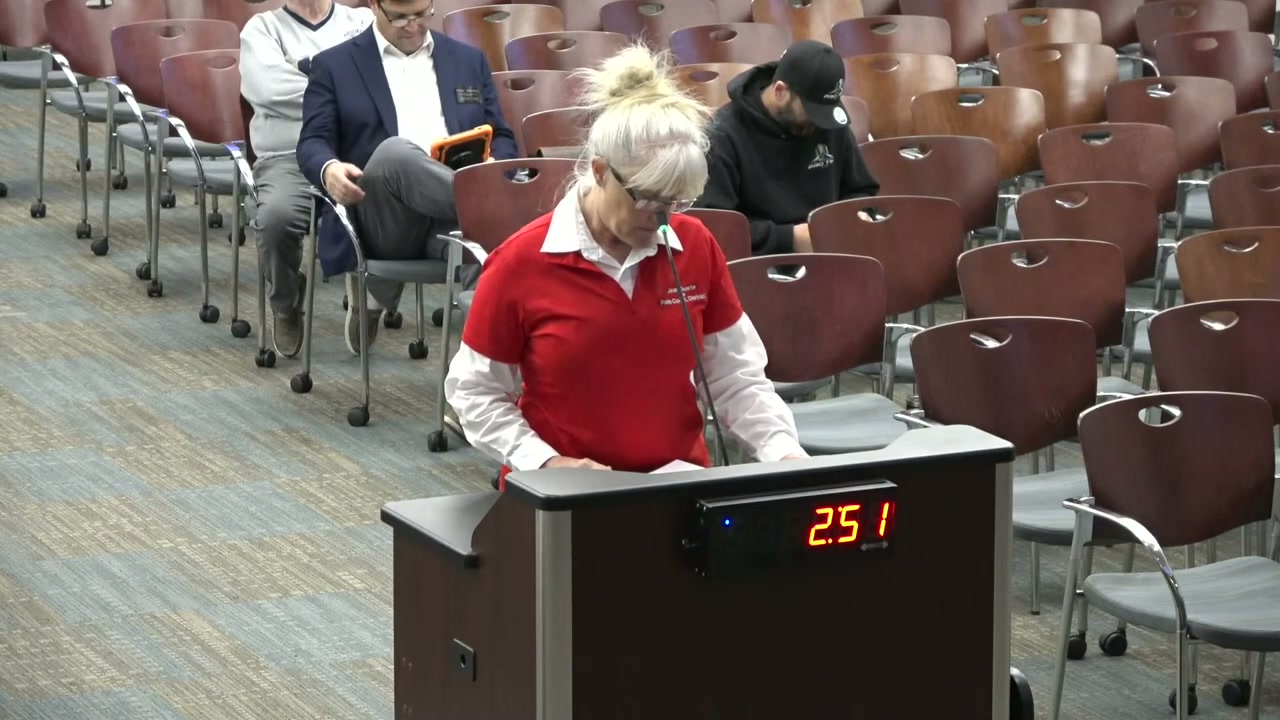
Requests for written legal explanations on five charter compliance issues: the mayor vacancy procedure change, the legal status of an appointed seat that served beyond the 2024 election without a special election being called, the accelerated charter review timeline, the composition of the appointed charter review committee, the requirement to hire a charter review moderator, and why previous charter reviews and referenda did not require a charter review committee.
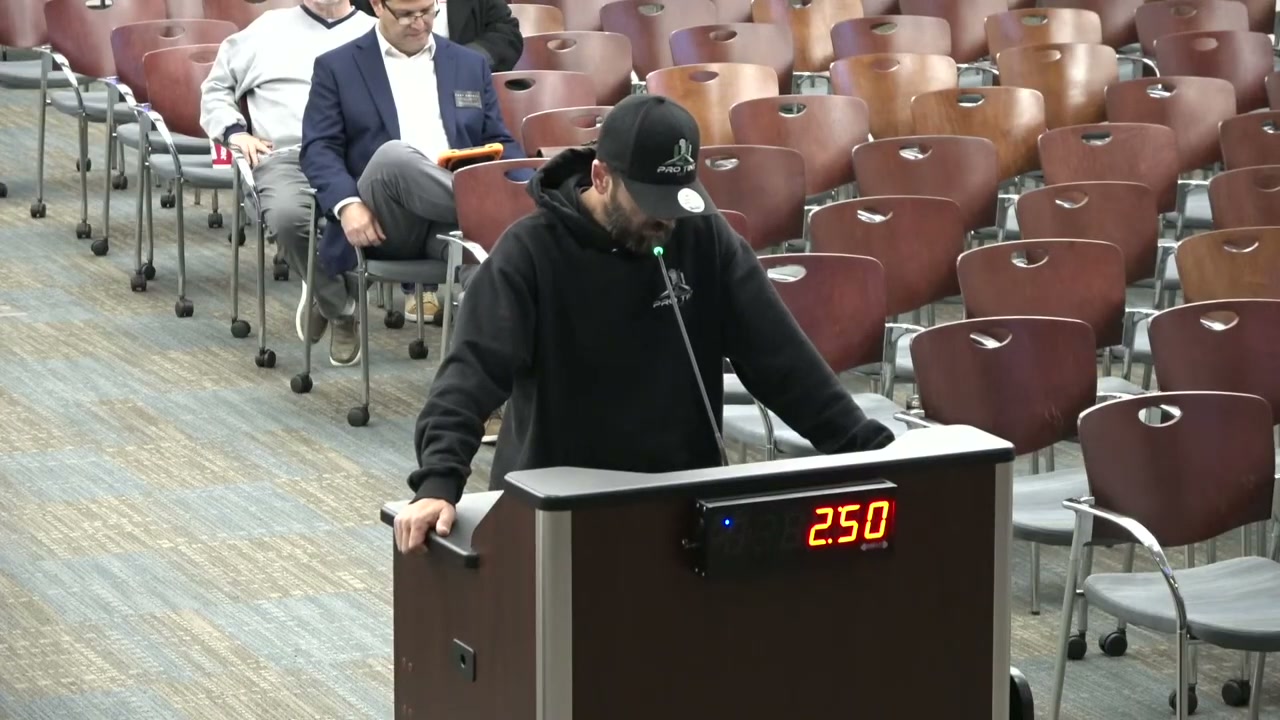
Drainage and permitting concerns on the speaker's property since August 2023, including deleted permit comments in a public record, a survey directing the resident to construct a swale, more than 100 city-owned culvert failures, a city pipe placed inside the resident's culvert resulting in a code violation, and home flooding following a city-approved neighboring elevation change.
The speaker also questioned the city's transparency on bonded debt and long-term financial obligations.
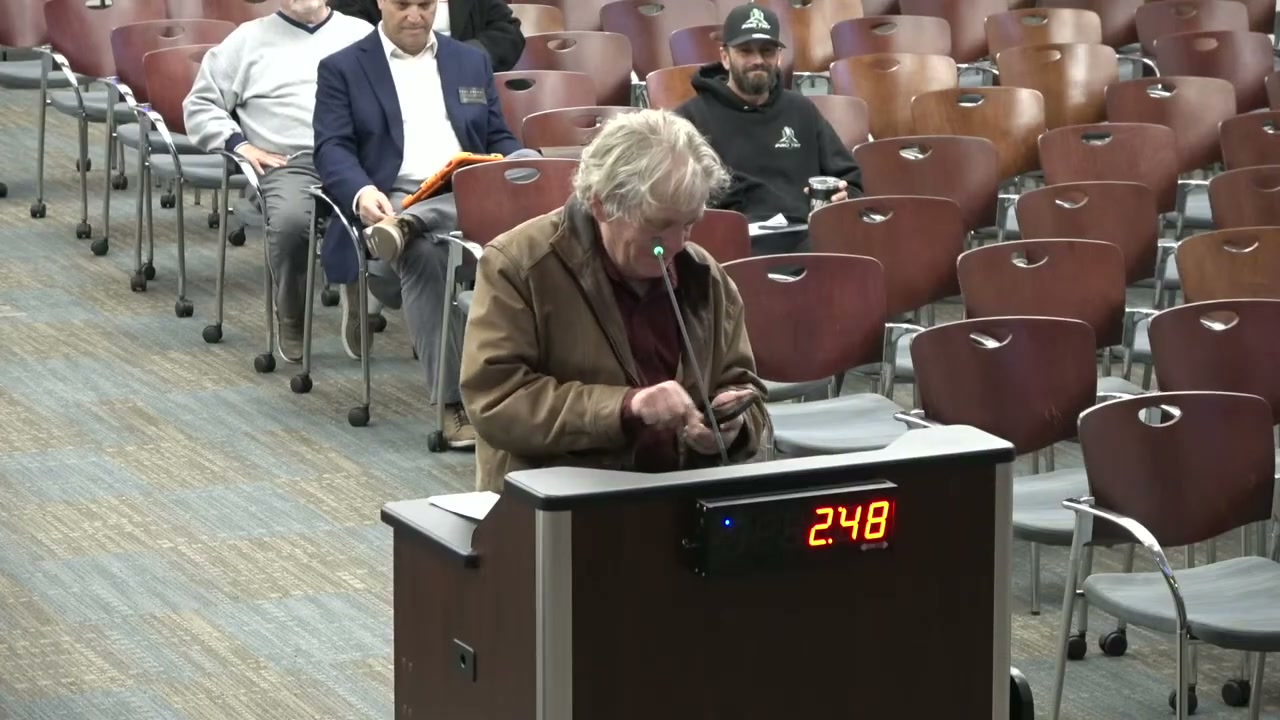
Concern that a council member who received a campaign donation from a developer should not have voted on that developer's project; observation that 70 homes went up for sale in East Hampton following the council's vote; and questions about how the city will manage traffic, water, and infrastructure with continued development approvals.
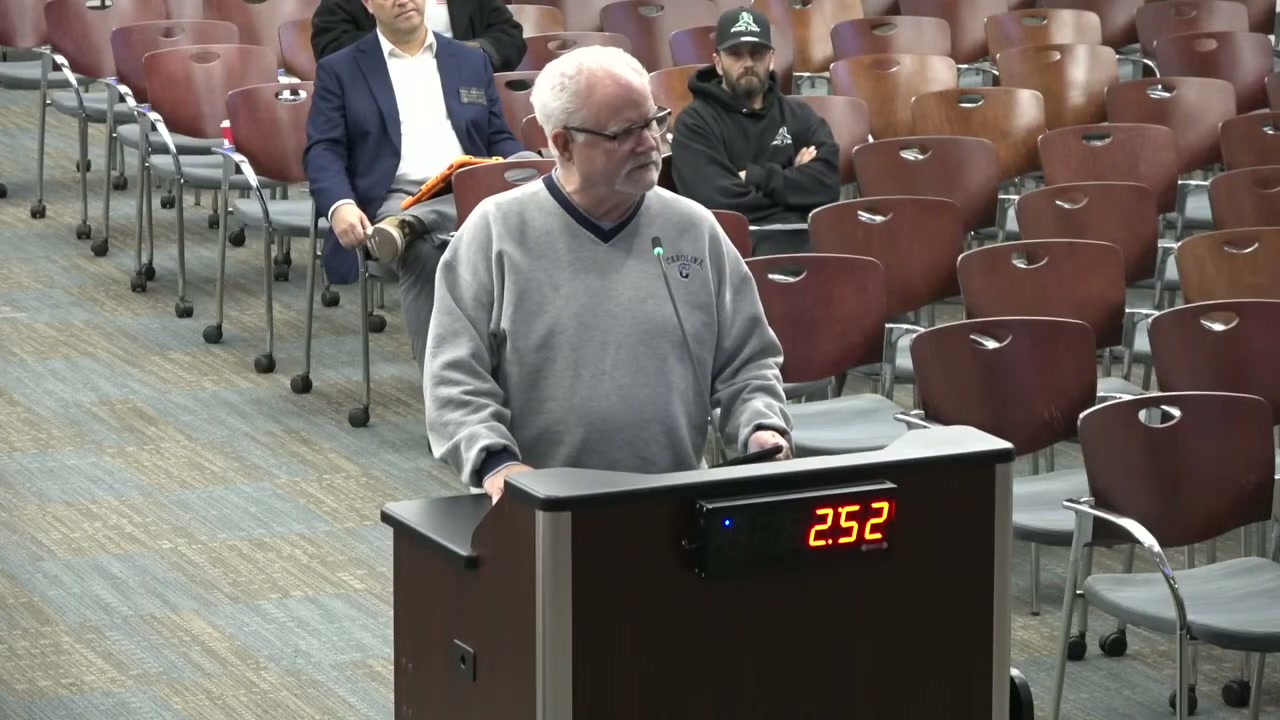
Concern about the process by which the East Hampton development was approved, specifically that a last-minute land donation offer not included in the agenda package was introduced during the meeting and influenced the vote, and that the matter was not tabled despite new unverified information.
The speaker questioned whether each council member had been individually approached by the developer with a donation offer and whether that affected the vote.
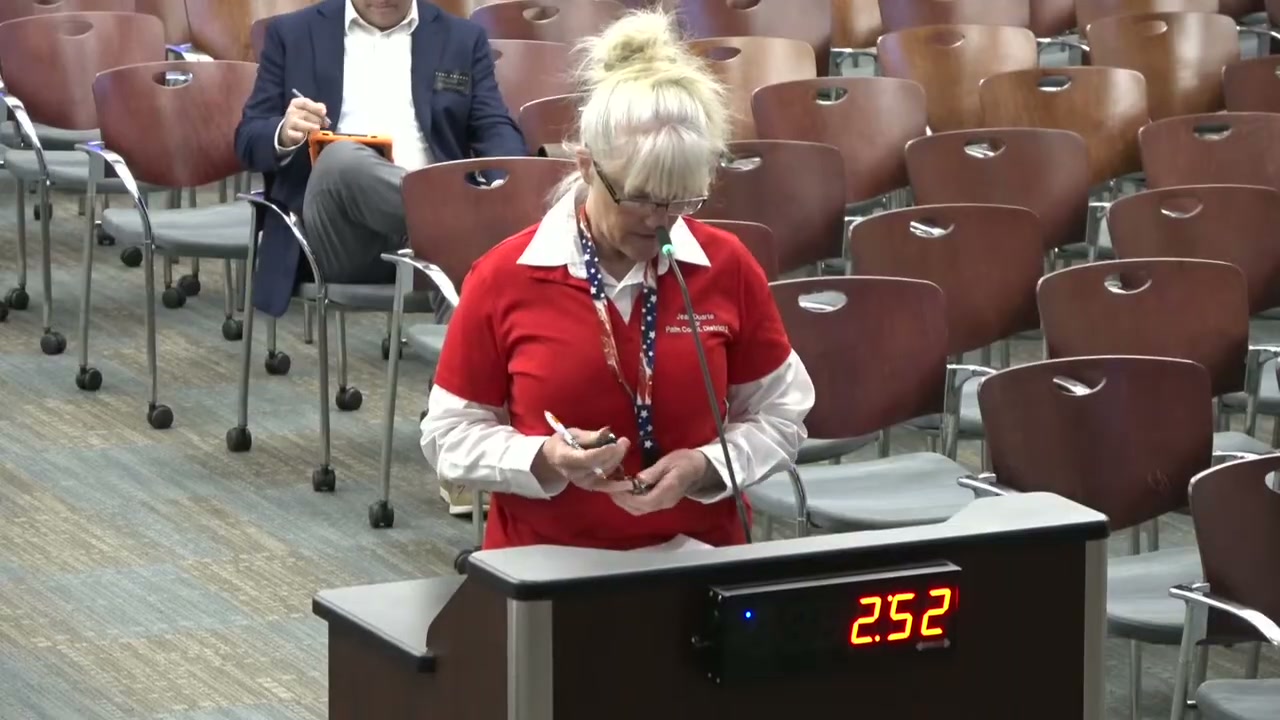
Concern that the charter review is proceeding ahead of the charter's established 10-year review cycle, noting the last review was 2018 making the next due in 2028, and that the facilitator's reference to removing 'dennial language' from the charter confirmed this.
Also requested written legal explanations of charter compliance issues raised at the opening of the meeting.
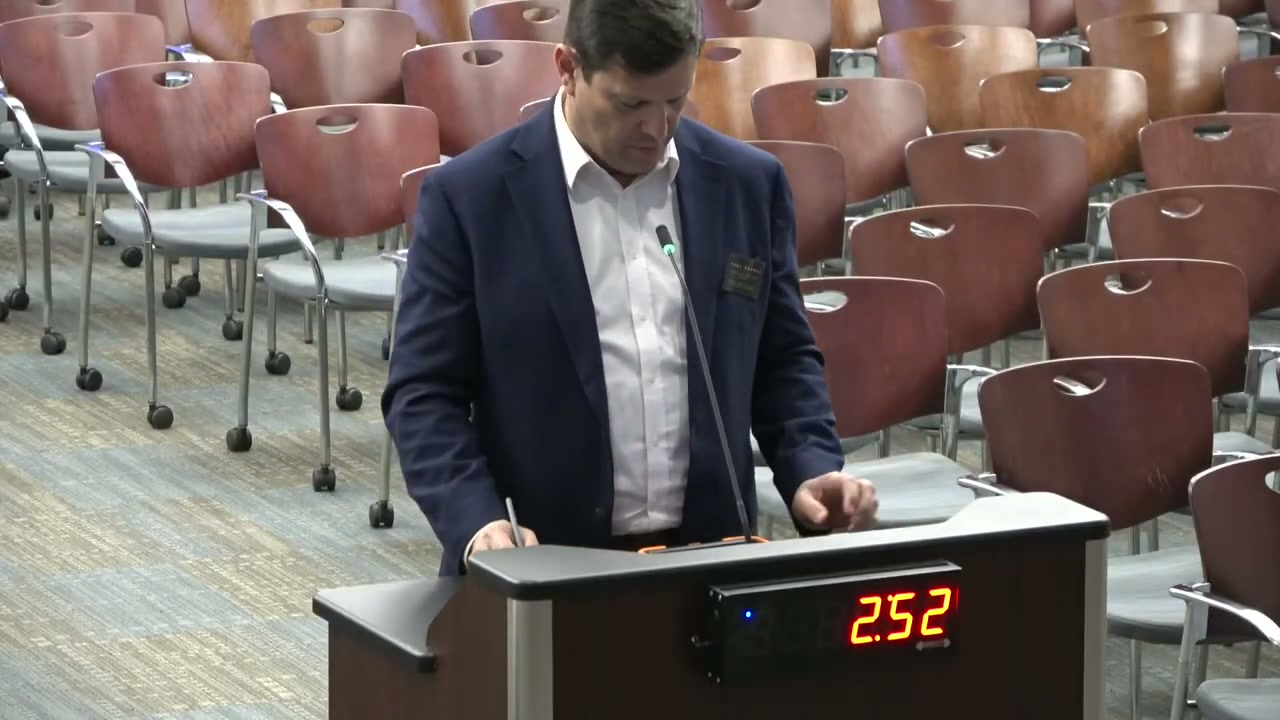
Observation that only three regular residents and two candidates were present for a workshop discussing potential changes to the city's governing document, arguing that low participation reflects public disengagement rather than approval, and that important governance changes should not proceed quietly without broad community understanding.
Questions about special election runoff rules when more than two candidates run; whether a CPI salary provision would still trigger an increase if employees receive no COLA; whether an appointed council member's service counts toward the eight-year lifetime term limit; clarification on expense reimbursement frequency; the distinction between charter and policy/procedure; and whether qualifying fees for a special election could be reduced given compressed timelines.
Also asked whether a charter or other limit could be placed on enterprise fund bonding before triggering a referendum.
Argument against requiring special elections to fill vacancies, contending that leaving a seat unfilled disenfranchises district residents and that a deadlocked four-member council is a practical problem.
Speaker argued council members are capable of appointing a replacement immediately and opposed term limits, stating that voters should decide how long a representative serves.
Charter review committee member praised the professional facilitation provided by Dr.
Demont, recommending the city codify the use of an outside charter professional in future reviews.
Also commented on the borrowing limit discussion, suggesting that longer borrowing terms with early payoff provisions could reduce costs and that the city manager should retain flexibility to negotiate better rates.