We got screwed with the American Village, but it wasn’t these guys that did it
An apartment complex is going up in the middle of a Palm Coast single-family neighborhood. The neighbors are furious. They’re also aiming at the wrong people.
American Village — 17 acres off Pritchard Drive, P-Section, Palm Coast. The orange outline marks the full parcel. Inside it: an 8-acre MFR-2 core where apartments are permitted by right, surrounded by a ring of single-family homes. Toggle to “Full Investigation View” to see American Village in the context of the Westward Expansion.
Drive the P-Section some evening and you’ll see why the people who live there are proud of it. Pritchard Drive. A wide ring of single-family homes — nice houses, lawns kept up, the kind of street where people put the work in. And inside that ring, behind a road called Green Circle, seventeen acres that sat cleared and waiting for years while the houses around them filled up.
The people who live out there have a name for what’s finally going in on that inner ground. They are not always polite about it. And when they get to talking, the anger goes where anger always goes — to whoever’s holding the shovel this summer, to whoever’s name is on the dais this year.
Wrong target. That’s the whole story.
Start with the ground itself, before any of this. Seventeen acres off Pritchard Drive, carried on the books under a single designation across the whole of it — residential-commercial. No line through the middle. No inner, no outer. One parcel, one classification, sitting there for decades, since back when a corporation was still selling this whole town off a map and a mailing list.
The city incorporated in 1999. It took until 2005 for Palm Coast to write its own unified land development code and stand up its own zoning classifications — and when it did, it redrew the map from end to end, every old designation translated into the new categories, adopted in a package, the way these things get done.
They did not carry that parcel forward whole.
The ring around the outside was zoned SFR — single-family residential. Houses, the same as the neighbors already had. The eight acres in the center were zoned MFR-2 — multifamily residential, the classification that permits apartments. One parcel went in undivided. What came out was an SFR ring with an MFR-2 core in the middle of it.
Put yourself in one of those homes. You’re out front on a Saturday and a neighbor walks over with the news: they’re putting apartments in across the street, right in the middle of here. The second thing out of your mouth is the only sensible thing. Why would anyone put apartments in the middle of a neighborhood? Good question. And you wouldn’t be the only one asking it. You could picture the city council sitting up there today, scratching their heads over the same thing: why would anyone put apartments in the middle of a neighborhood? Because they didn’t do this either. Here’s the part to be straight about: it wasn’t a mistake, and nobody sneaked anything in anywhere. It was a decision — made in the open, on the record, by the people this town elected to make it. Somebody you voted for looked at one undivided parcel and chose single-family around the edge and apartments in the middle.
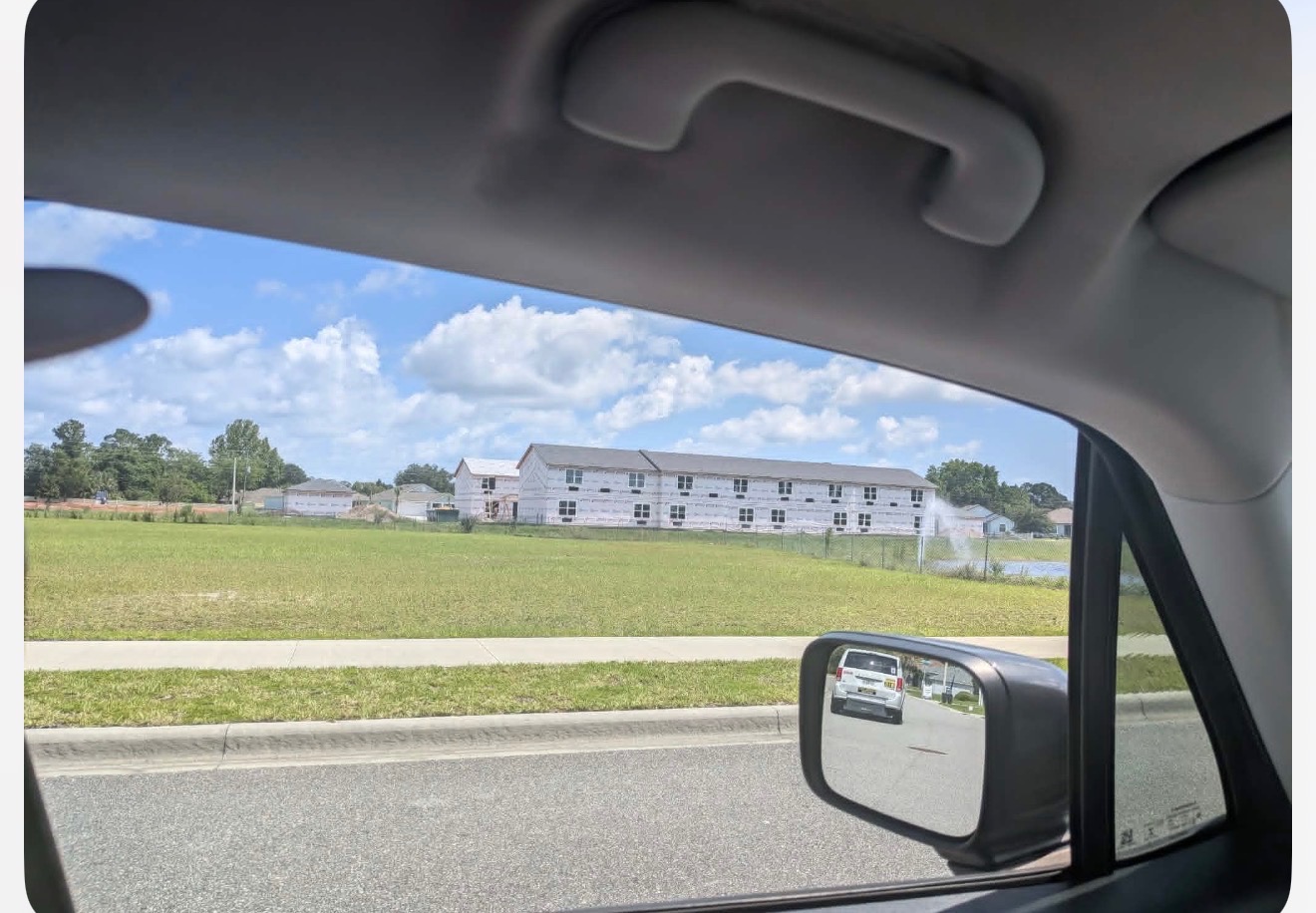
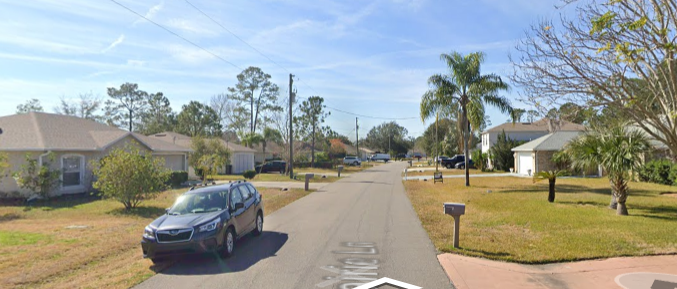
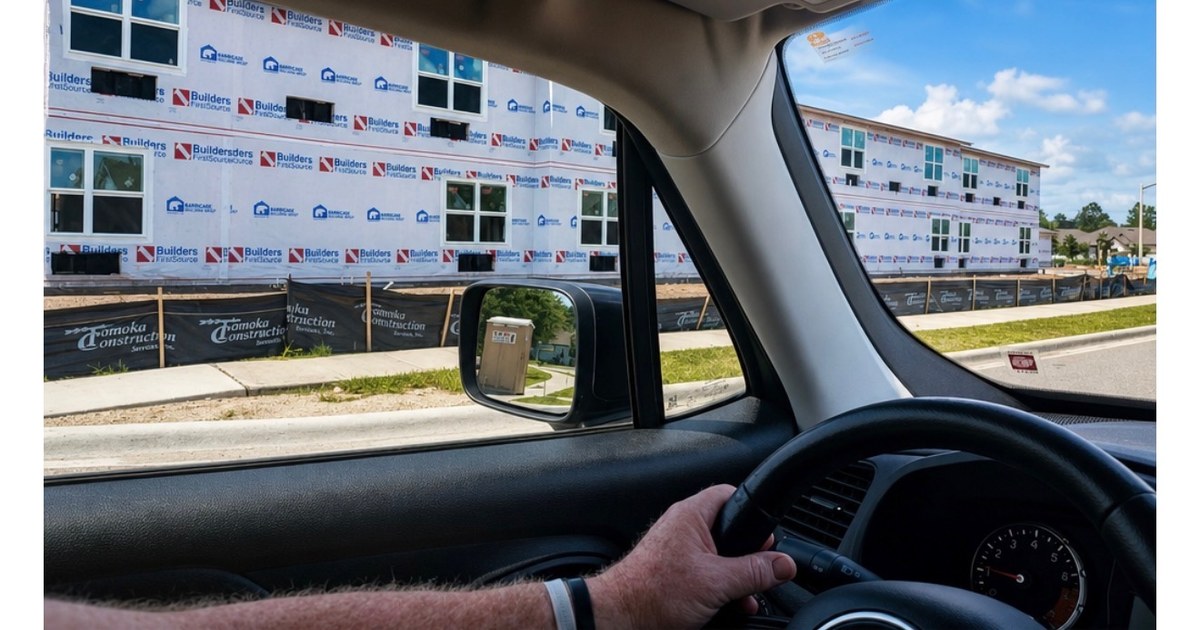
Nobody marched on City Hall, because there was nothing to march about. It wasn’t a vote on an apartment complex. It was lines on a map in a code the size of a phone book, on a night the room was working through a hundred other lines. There’s no clip of it. No story ran. The local press that would chew on a thing like this today didn’t exist yet — the websites came years later, the old papers are gone or were never digitized. A neighborhood got apartments zoned into the heart of it, and the moment it happened, nobody was in the room to see.
Then the zoning just sat there. For fourteen years.
Somebody finally came to use it. A few years back a developer bought the seventeen acres for a few hundred grand — not much money for seventeen acres, and one reason it wasn’t is that everyone in the business already knew what that ground was zoned for. The price had the apartments built into it. The price always does.
The code did make him hold a neighborhood meeting first. The city sent notices to sixty-some property owners. Barely a dozen showed up. And the thing they came to argue about wasn’t the apartments — it was the sewer. The planning director told them a new main was going in, that the project wouldn’t make anything worse. People nodded and went home. The apartments were hardly a topic, because by then the apartments weren’t really a question. They were a permission slip somebody had been holding for fourteen years.
Then it went to the Planning Board. Three apartment buildings around ninety-six units, circling a retention lake. Gated, age-restricted, fifty-five and up, turned inward like it was showing the rest of the P-Section its back. The board approved it five to nothing, and the order was signed that same evening.
The City Council never voted on it. Not once. Not because anybody hid the ball — because the ground was already zoned for apartments. A conforming use doesn’t need a council vote. The council made that decision in 2005. The room that night drew a crowd and not one objection. A neighbor put her finger on why, afterward: the sign out front of the construction never said apartments. So nobody came to fight them.
And there it is. The people who do everything right in this town — the advocates and activists who read the agendas and drive down to stand at the microphone for their three minutes — never got the meeting that would have mattered. That meeting happened fourteen years earlier, in a code adoption nobody was watching. By the time there was anything to show up for, the only honest answer to “can they really do this” was: they already did.
So two questions remain. Why would anybody want to put apartments in the middle of a neighborhood?
And how is it that you can put up three apartment buildings — ninety-six units, a parking field, a retention lake — without it ever once going before the city council?
The folks to ask the first one are long gone. This happened in 2005. The decision was made, on the record, and the people who made it didn’t leave behind the why.
As for the second — that one’s still live. The land development code says a conforming use on zoned land gets approved at a counter, by staff, no public hearing, no council vote. That’s not a loophole anybody slipped in. It’s the rule, written by the city for the city, and a rule written by ordinance can be unwritten by ordinance.
Which makes it a fair thing to put to the people asking for your vote this fall. Perhaps that’s a question for the candidates in Campaign 2026.