Palm Coast City Council votes on things once. You show up, you make your case, five people decide, and whatever they decide is what happened. That's the whole trick of representative government — it's binding because it's final.
Somebody didn't get the memo.
Back in 2005, before Cascades was even part of the city, the county gave it a number: 416 homes. Nobody built anything. The number sat there, on the books, for eighteen years. When the property came up for a vote in 2023, the applicant wasn't asking to keep that number — he wanted 850, more than double, and for most of the year that's the figure everyone was talking about.
On November 7, 2023, Council said no. Not at more than double what was already there. One council member wasn't even in the room — absent, per the roll call — but four were, and three agreed. The old number stood.
Ten days later, a letter shows up. One page, from the applicant's attorney. Here's the whole case, in his own words:
"Since 2014, the City's land use designation for the JTL Property has been Residential. On November 5, 2023, the City passed a Resolution changing that designation without notice to JTL or the required authorization from JTL. Based on this evidence, JTL's property rights have been adversely affected."
Somebody's land, he's saying, got changed without asking. On behalf of JTL, he "respectfully request[s] the City Council at its next business meeting vote to rehear this matter."
That request isn't as simple as it sounds. The code sets out three things. First, argue Council itself got something wrong — overlooked a fact, misunderstood the law. Clear that, and there's a second bar: you can't just redo the vote on the same facts. It takes something nobody had heard before, new evidence or new law. Clear both, and a third requirement kicks in — personally notify every neighboring property owner, by certified mail or hand delivery, that a rehearing is happening at all.
That last part didn't go cleanly. A resident said so on the record months later — notice errors serious enough that staff had to hold a separate meeting just to fix them.
As for the "new evidence": read that sentence again. November 5, 2023, was a Sunday. City Hall doesn't meet on Sundays. The actual vote was two days later, and everybody in that room had shown up to it, had spoken at it.
Nobody checked the calendar. They give him the meeting anyway.
Rehearings like this one are required by law to be quasi-judicial — sworn testimony, cross-examination, a formal record. Neither meeting that followed was run that way. Both went like ordinary Tuesday-night business, nobody sworn, nobody cross-examined.
The first vote — just to grant a second look — passed three to one. One of the three hadn't been in the room for the meeting he was now agreeing needed revisiting.
Now, the part the letter didn't mention. Back in June, five months earlier, the City's own planner asked the applicant's team a simple question about that same fishhook parcel: was it part of the deal? The applicant's attorney answered the same day, no hedging — not ours, not part of it. Ninety minutes later, a different member of his own team overruled him: actually, it is, go ahead and include it. The engineer had new zoning maps redrawn before the sun went down.
For one evening in June, the fishhook parcel went from out to in without anybody changing their story out loud. It just changed. Five months later, the same attorney stood before the same Council and said his client never agreed to any of this, never authorized it, never even knew. Whether that was true depended entirely on which of his own emails you believed. Both were in writing. Both had his name on them.
The actual rehearing happened on January 2nd, and it skipped the same steps the first meeting had. No oath. No cross-examination. No formal finding on the record — just a motion, made, misheard, and made again, because nobody understood it the first time it was said.
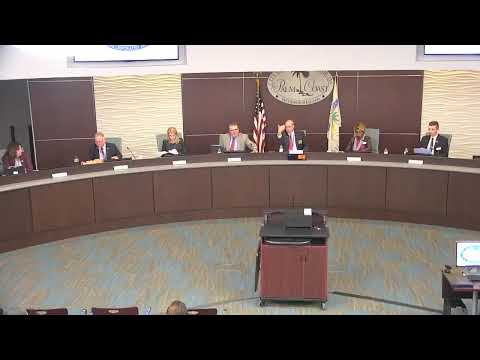

It did not go the way the letter asked for. Council didn't grant the 850 units. What it did was strip the fishhook parcel out of the ordinance and leave everything else where it had always been — the same 416, sitting on the books since 2005, minus the one piece of land nobody could agree had ever really belonged in the count.
A source close to the case, speaking on condition of anonymity, offers one reading of why any of this happened at all: not a due-process complaint, but a numbers problem. By their account, losing the hook parcel meant losing roughly 98 units JTL had been counting on — units that, once the 416 cap held everywhere else, were gone for good. The rehearing, on this reading, was never about notice or authorization. It was an attempt to get those units back.
Every council member voted yes. Including the one who still hadn't been in the room for the vote that started all of this.
Nobody ever produced the "additional information" the letter promised. Nobody had to. By the time anyone thought to ask, the meeting that mattered was already over, and the only thing anybody could agree on was that a piece of land had gone in, come out, and left no fingerprints on the way through either door.
— Johnny Diamond
PalmCoastStorylines.com