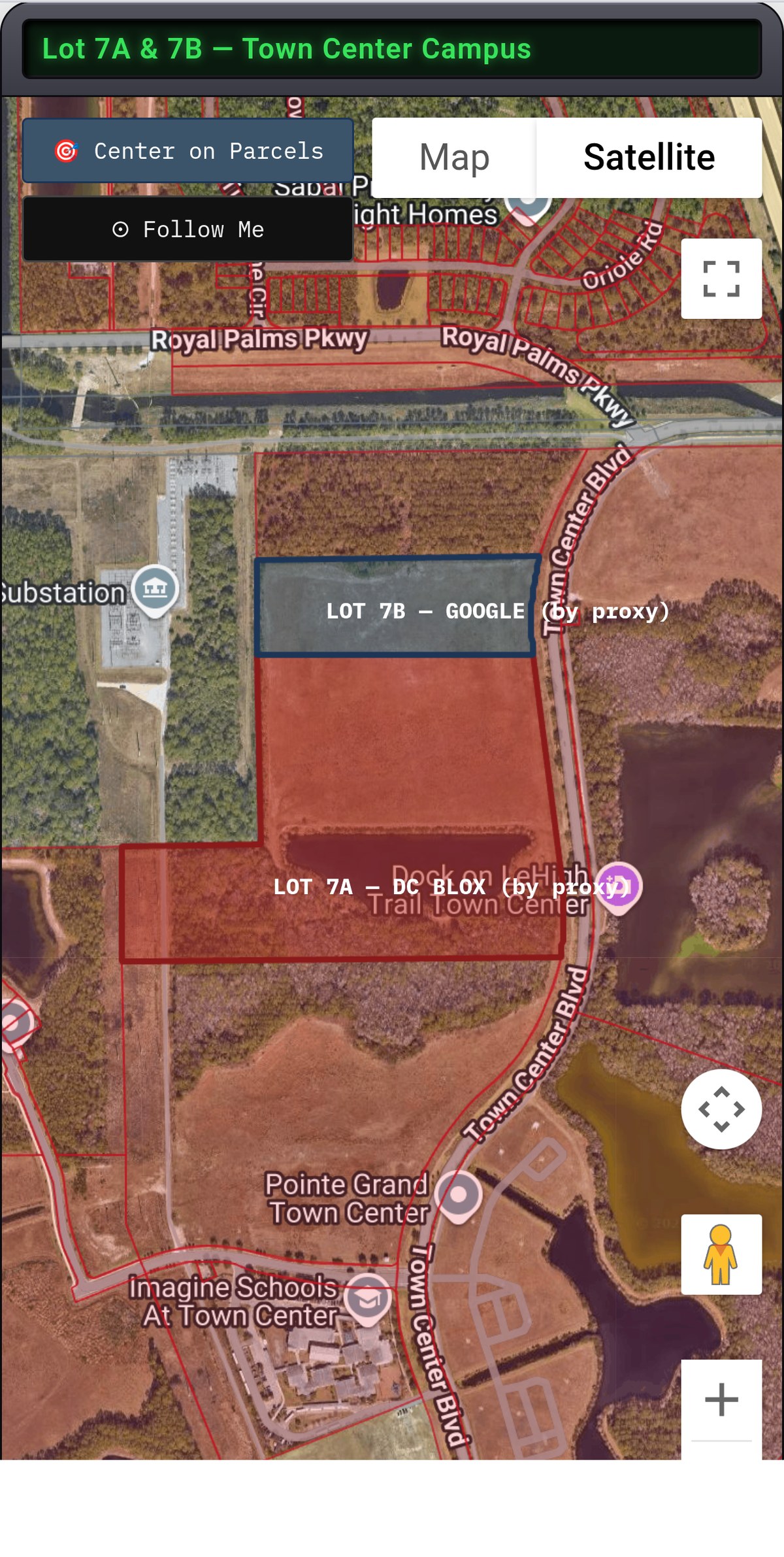
DC Blox/Google
The Feds act, the storyline moves
A garden hose on the floor of the Atlantic carries more in one second than a modem could move in 1,294 years. Here is what Sol actually is — and the date the federal government is due to decide its fate.
October 28, 2026.
That is the day the federal government is due to finish its review of a cable that comes out of the Atlantic Ocean at Flagler Beach. The date can move — there is a second review period available, and if the Committee wants it, the calendar slides to late January. But October 28 is what is written down right now.
We’ve been making noise about this thing for a while now — who owns it, how it got permitted, the license that still isn’t. Here’s what it is.
It’s called Sol. It runs from the sand at Flagler Beach to the north coast of Spain — 4,735 miles of it, with branches peeling off to Bermuda and the Azores. Out in deep water, past about 1,500 feet down, it wears no armor at all. Nothing down there can hurt it and no anchor reaches it. Three quarters of an inch across. Garden hose. Lying on the floor of the ocean, all the way to Santander.
Inside that garden hose: sixteen pairs of glass fibers. Each pair is rated at a minimum of 24.5 terabits per second. Sixteen pairs. Call it 392 terabits per second.
Which is a number that means nothing to most. So try it this way.
You remember 9,600 baud. The squeal of the handshake. The characters crawling across the screen left to right, one at a time, while you waited on a page of text the way you’d wait on a bus. That modem was a miracle in its day, and it felt like one.
To move what this cable moves in one second, that modem would have to run without stopping for 1,294 years and 51 days. Set it going in 732 AD, when Charles Martel turned the Moors back at Tours. Let it run through the Crusades. Through Gutenberg. Through Columbus, Yorktown, Antietam, the Somme, the moon. It finishes this afternoon — and it has just delivered one second of Sol.
The print collection of the Library of Congress goes across in about two tenths of a second. Seventy-eight thousand four hundred high-definition movies, every second, around the clock.
And this is not the internet passing through. This is Google’s own traffic. Gmail. Search. Every YouTube video that crosses between America and Europe. The corporate records of thousands of companies sitting in Google’s cloud. Google says in its own announcement that the cable is there to meet growing demand for its cloud and its AI services. The hose belongs to Google, and so does what runs through it.
It comes ashore at the beach.
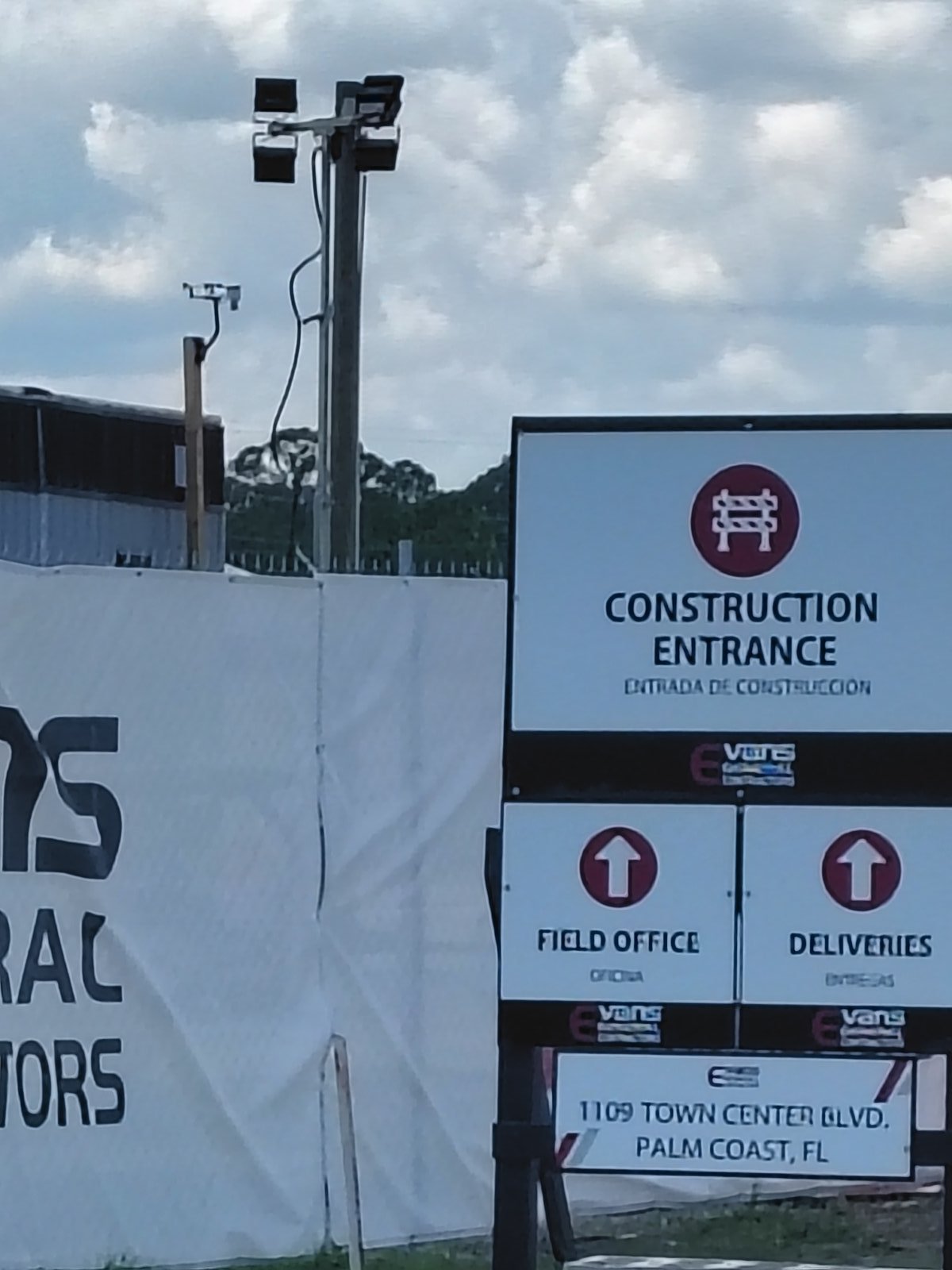
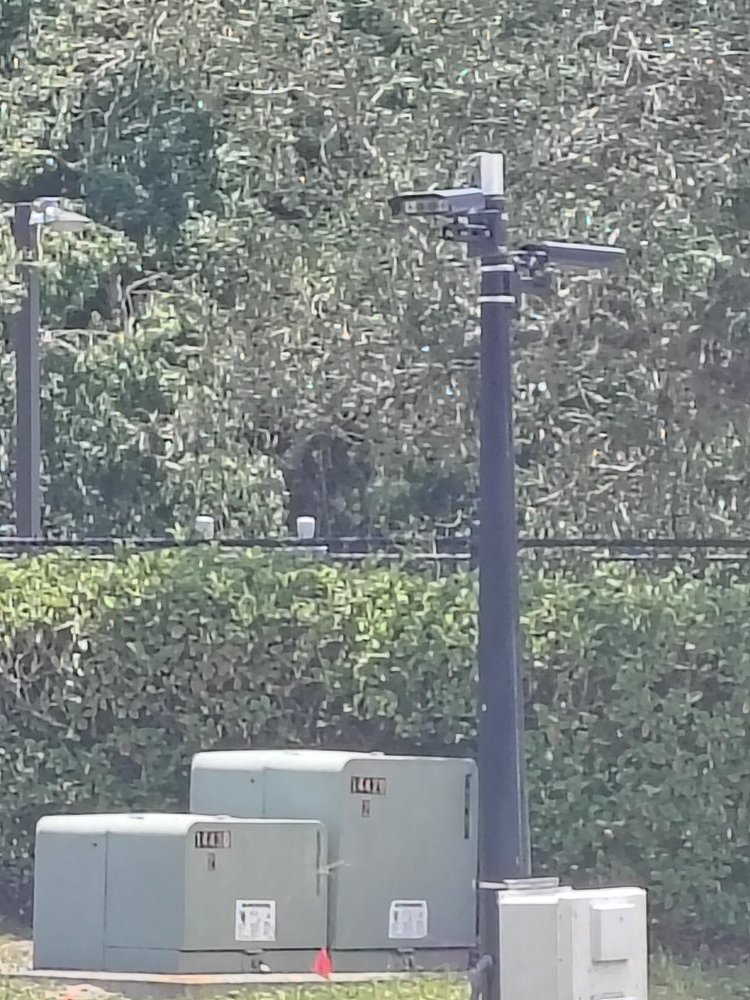
The cable enters through a conduit bored underneath the beach at South 6th Street and surfaces in a manhole. Close to shore, and up on the sand, it is armored — steel wire wound around the glass, about two inches through. From that manhole it runs roughly four miles inland, through city rights-of-way, to a hardened building in Town Center. That building is a cable landing station. It is where the ocean cable meets the fiber network on land. From there the signal turns north — to Google’s data centers in South Carolina, where the company just committed nine billion dollars to build out more AI capacity.
Palm Coast is the door.
Now the review. A cable that touches a foreign shore needs a federal license, and a license like this gets looked at by three agencies — Justice, Homeland Security, Defense. They ask whether lawful process can reach the facility. Whether the building is built to hold up. What a foreign landfall means strategically.
For months, the clock on that review had not started. Google had not finished answering the Committee’s opening questions. On June 30 it did, and the clock started that day. A hundred and twenty days.
What comes out the other end is not a yes or a no. It is a Letter of Agreement — conditions Google signs in order to be handed the license. Named American points of contact. Security standards. Audit rights. Notice when ownership changes hands.
The license will be granted. There is no denial of a submarine cable landing license anywhere in the public record, and Google has been given seven of these already. The only open questions are when, and on what terms.
Which brings us back to October 28, 2026.
One little building? I dunno. Something’s going on there.
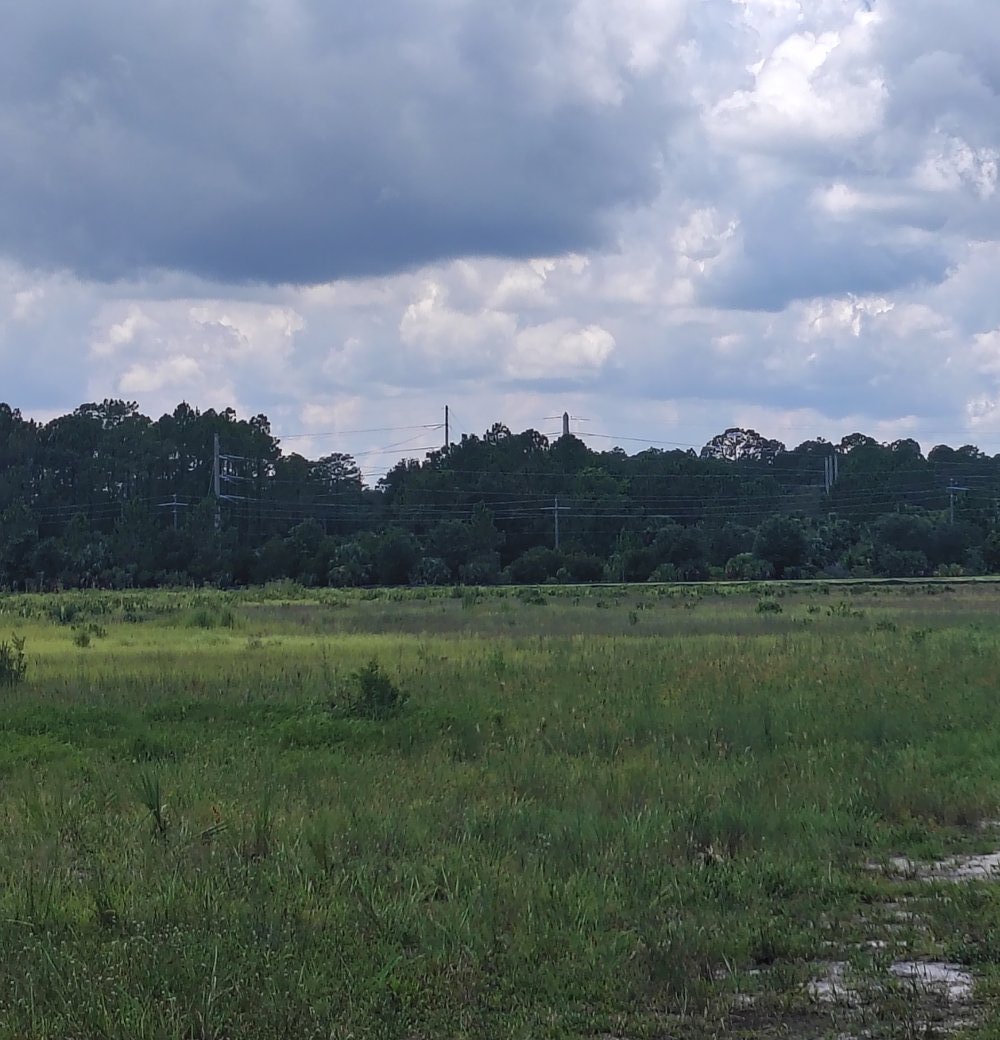
If you’re driving by there, open this up and you can see how big that patch of land is that’s part of this deal.